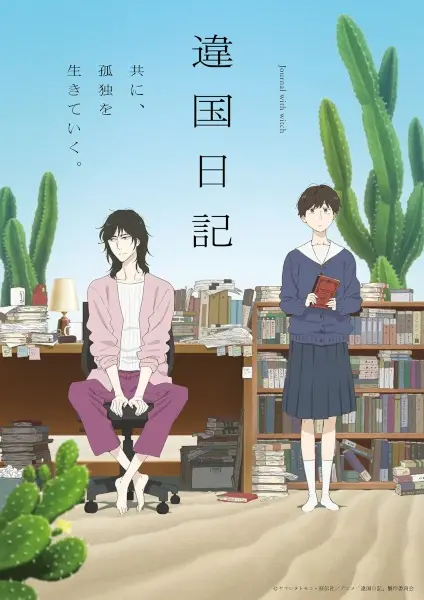
Journal with Witch
違国日記
Studio: Shuka
Synopsis
Thirty-five-year-old novelist Makio Koudai never had a good relationship with her older sister Minori, who always berated her for being different. Due to this, Makio is not stricken with grief upon hearing the news that Minori and her husband died in a car crash. But when Makio is asked to identify their bodies, she runs into her 15-year-old niece, Asa Takumi, whom she has not seen in years. As Asa struggles to process her parents' death, Makio reassures her that her complicated feelings are valid and suggests that the teenager start writing in a diary as a way to cope with the loss. Upon learning that no other relatives wanted to take in Asa, Makio decides to become her guardian despite her lack of experience. In a world full of uncertainty, the novelist and teenager must learn to live with each other while figuring themselves out. [Written by MAL Rewrite]
Recommendations



Characters & Voice Actors

Koudai, Makio
Main
VA: Sawashiro, Miyuki

Takumi, Asa
Main
VA: Mori, Fuuko

Ayaka
Supporting
VA: Ashida, Moena
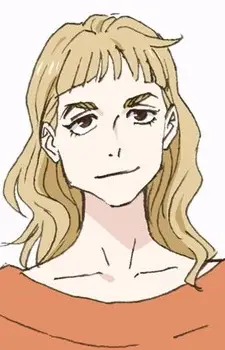
Daigo, Nana
Supporting
VA: Matsui, Eriko
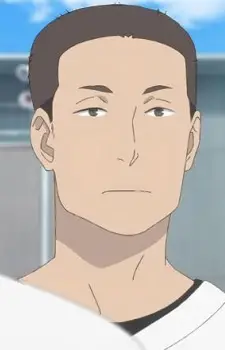
Hattori
Supporting
VA: Kikuchi, Takeru
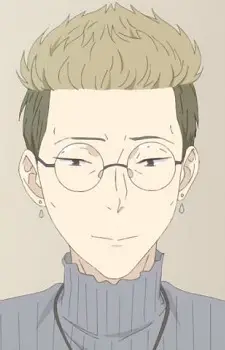
Juno, Itsuki
Supporting
VA: Kujira

Kanda, Yumi
Supporting
VA: Kobashi, Satomi

Kasamachi, Shingo
Supporting
VA: Suwabe, Junichi
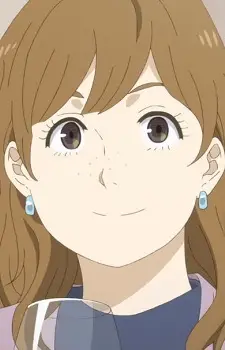
Kotoko
Supporting
VA: Kanemoto, Hisako

Koudai, Kyouko
Supporting
VA: Asano, Mayumi
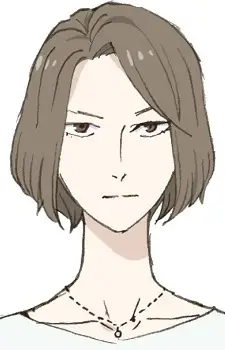
Koudai, Minori
Supporting
VA: Ohara, Sayaka
Mocchi
Supporting
VA: Saeki, Iori
Koudai, Makio
Main
VA: Sawashiro, Miyuki
Takumi, Asa
Main
VA: Mori, Fuuko
Ayaka
Supporting
VA: Ashida, Moena
Daigo, Nana
Supporting
VA: Matsui, Eriko
Hattori
Supporting
VA: Kikuchi, Takeru
Juno, Itsuki
Supporting
VA: Kujira
Kanda, Yumi
Supporting
VA: Kobashi, Satomi
Kasamachi, Shingo
Supporting
VA: Suwabe, Junichi
Kotoko
Supporting
VA: Kanemoto, Hisako
Koudai, Kyouko
Supporting
VA: Asano, Mayumi
Koudai, Minori
Supporting
VA: Ohara, Sayaka
Mocchi
Supporting
VA: Saeki, Iori
Related Anime
Adaptation
Reviews
 FlowMAL★ 10
Ikoku Nikki is one of those shows where I just know a lot of people won’t even give it a chance. You look at the genre and the Josei demographic, and it doesn’t sound “exciting.” And yea, I understand why. It’s not something you can casually put on in any mood; it requires emotional engagement. But if you give it that chance, it stays with you in a way few shows do. It feels less like an “anime” in the traditional sense and more like a grounded human drama. What makes this show so captivating is its thematic depth. It begins with grief and loss, butquickly expands into questions about identity, individuality, and societal expectations, constantly asking whether standing out is something to embrace or avoid. It also explores something even more uncomfortable: the idea that not everything has a clear answer. Sometimes you won’t know what you want or what another person truly thought of you, and that’s okay. The best way I’ve heard it described is that this anime feels intrusive. Like the characters are so real that you feel like you’re peeking into someone else’s private life in a way that shouldn’t be allowed to. It’s not exaggerating when I say I’m on the edge the entire time watching. Not because it’s intense in a dramatic sense, but because everything feels so real that you can’t distance yourself from it. You’re forced to sit with the characters as they navigate parts of themselves they don’t fully understand. The portrayal of grief is one of the show’s greatest strengths. It doesn’t just show sadness, but also the confusion, numbness, frustration, and unpredictability that come with it. For example, Asa doesn’t always react in the way you would expect. Sometimes she seems fine, almost detached, until something small triggers everything at once. And even as time passes, grief isn’t something that simply disappears. It becomes something you learn to live with rather than something you “get over.” And then there’s Makio, who offers a completely different perspective and has been one of my favourite characters in a long time. She’s someone who naturally stands out. She finds normal human interaction draining, isn’t naturally expressive, and is very blunt a lot of the time. But despite being completely out of her depth raising Asa, you can see how hard she tries, and that effort feels far more genuine than any “perfect parent” portrayal. One of the most interesting aspects is the contrast between Makio and her sister, Minori. On one hand, Makio embraces being different and lives authentically, even if it makes her stand out. Minori, on the other hand, forces herself to conform to expectations to avoid standing out, even if it leaves her miserable. It’s a very honest depiction of how perception shapes reality. Two people can experience similar circumstances, but interpret it in completely different ways based on how they see themselves and the world around them. One accepts being seen, the other fears it, and that alone shapes their entire sense of happiness. And this theme of standing out for being different doesn’t just stop there; it extends across every single character, each offering a different perspective. Some characters embrace standing out, others fear it, and Asa doesn’t even feel capable of it. She’s short, doesn’t have a crush on anyone, and doesn’t know what she wants to do or who she wants to be. While others like Makio, Minori, Emiri struggle with being different, Asa struggles with feeling like she isn’t anything at all. But even that feeling of emptiness is explored. The show suggests that, for many people, identity isn’t something you suddenly “find,” but something you gradually build by just choosing what you want to do in each moment. I think that’s also why this show hit me personally. I see a lot of myself in Makio. I’ve always been introverted and happy doing my own thing, even when I felt out of place. But characters like Minori and Asa reminded me that what feels manageable for one person can be deeply painful for another. For some people, standing out is freeing; for others, it’s something they avoid. And for some, it’s something they don’t even feel they can do. Not everyone relates to individuality in the same way, and the series captures that nuance beautifully. The soundtrack further enhances the entire experience. From the opening and ending themes to subtle background tracks, everything complements the emotional tone perfectly. Kensuke Ushio’s work here might feel less prominent compared to some of his past projects like Chainsaw Man or Devilman Crybaby, but that restraint feels intentional. The music never tries to tell you how to feel; it just sits alongside the characters, letting their emotions speak for themselves. It’s also been great to see TOMOO continue such a strong run in recent anime openings and endings with Blue Box, City The Animation, and now, Ikoku Nikki. Ultimately, Ikoku Nikki is an anime that feels so grounded and real in a way very few shows ever achieve. It asks questions about identity, individuality, and what it means to exist in relation to others. It’s a story about grief, but also about self-perception. About being seen, avoiding being seen, and wondering if you’ll be seen at all. About searching for answers, and slowly realising that sometimes there aren’t any, and learning to live anyway. And that’s exactly why I see Ikoku Nikki as one of the most powerful stories to air in recent years.
 imquotable★ 10
Ikoku Nikki is an anime that’ll get robbed and won’t even make it into the AOTY nominations. What’s notable is what the show doesn’t do. It doesn’t milk grief. The parents’ death exists, but it’s not weaponized. The loss is just there. It sits in the background and leaks into everything without being pushed in your face. In most shows, this kind of setup gets used immediately to pull emotion out of the audience. Ikoku Nikki does the opposite. It makes you want Asa to cry. She almost doesn’t for two full episodes, holding everything in, staying quiet. And because of that, it hits much harderwhen she finally breaks down. Personally, what I loved most is how the show keeps slipping into visual metaphor, cutting away from literal space into emotional space. A conversation in the apartment suddenly places the character in a desert, or somewhere abstract, even though they haven’t moved an inch. It feels like you are seeing the characters’ inner state instead of just the surface of the scene. Anime does this far too rarely, which is irritating, because the medium is perfectly capable of trusting the audience with a metaphor. The last thing that comes to mind for me is Shoushimin Series. I wish more anime actually trusted visual storytelling instead of spelling everything out. I like how the show frames love and care. Makio isn’t warm, she doesn’t say the right things, and half the time she feels emotionally unavailable. But she doesn’t leave. The show lets you sit with that kind of care, the kind that doesn’t look like much on the surface but is still there. Love expressed without performance often gets mistaken for cruelty, and this is something I find deeply relatable. The pacing is slow but it fits. You spend more time watching small shifts than big moments. It feels closer to how people actually deal with things when there’s no clean way to process them. Also the opening and ending are straight BANGERS!! Ikoku Nikki is a story about two people who don’t really understand each other trying to share the same space anyway.